Landscape Maintenance Mendham NJ for Residential Curb Appeal All Year
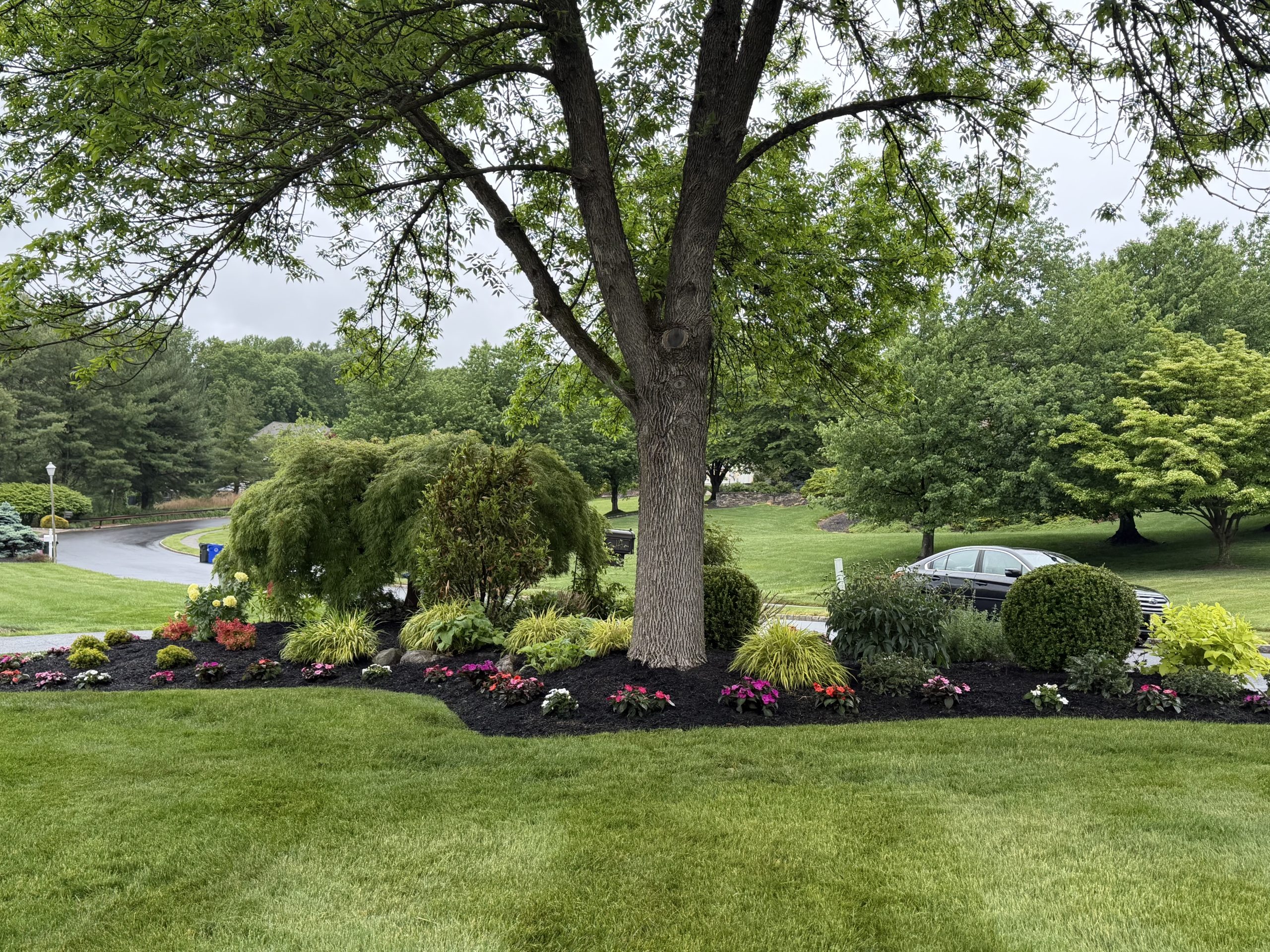
Curb appeal in Mendham is not built with one spring cleanup and a few fresh annuals. It is shaped over months, through timing, restraint, and a clear understanding of how North Jersey properties behave from one season to the next. Lawns respond differently after a wet May than they do after a dry one. Foundation plantings can look tidy in June and tired by August if pruning is done at the wrong time. A front walk may feel polished, but if the bed edges soften and the mulch fades, the whole property starts to look less cared for.
That is why good Landscape Maintenance is less about isolated tasks and more about continuity. Homes in Mendham often sit on generous lots with mature trees, layered shrubs, stone walls, long driveways, and prominent front entries. Those features create real beauty, but they also raise the standard. When one area slips, it is noticeable. The eye catches uneven hedges, storm debris in the lawn, or spent perennials near the entrance faster than many homeowners expect.
Landscape Maintenance Mendham NJ has to account for local conditions, including cold winters, humid summers, periods of heavy rain, and the wear that comes with freeze-thaw cycles. It also has to respect the style of the neighborhood. In a town where many homes have established architecture and substantial outdoor spaces, the goal is rarely flashy. It is clean lines, healthy plant material, seasonally appropriate color, and a property that always looks attended to.
What year-round curb appeal actually means
A home with strong curb appeal in January looks different from one with strong curb appeal in July, but the underlying effect is the same. The property appears intentional. Beds are defined. Evergreens are full rather than ragged. Turf is consistent, not scalped in one area and lanky in another. Walkways are clear. Nothing looks overgrown, stressed, or forgotten.
A common mistake is to think curb appeal is mostly a warm-weather concern. In practice, winter exposes maintenance standards more than any other season. Once leaves drop and perennials die back, structure becomes everything. Poorly pruned shrubs look misshapen. Bed lines disappear under debris. Ornamental trees reveal crossing branches or storm damage. Even the way snow is piled can affect what the front of a property communicates.
In Mendham, where many landscapes combine formal front-yard presentation with more natural rear-yard spaces, year-round maintenance requires judgment. The front of the property usually benefits from sharper definition and more disciplined care. The rear can be softer and more relaxed. A crew that understands that distinction will maintain curb appeal without making the whole site feel overmanaged.
Why Mendham properties need a local approach
Not every New Jersey landscape is maintained the same way, and Mendham is a good example of why. Large shade trees are common, which affects lawn vigor, leaf management, moisture levels, and moss pressure. Deer browsing can alter how shrubs fill in over time, especially if homeowners expect neat evergreen masses but choose plants deer treat like an open buffet. Sloped lawns can hold beautifully in a moderate season, then show stress fast during heat or runoff.
Soils also vary from property to property. On one street you can have reasonably workable loam, while a mile away a yard may lean compacted and slow-draining after years of construction traffic or heavy equipment. Maintenance plans that ignore those differences usually create waste. More fertilizer is applied than needed, more water is used than the lawn can absorb, and pruning becomes corrective instead of preventive.
Landscape Maintenance Mendham NJ works best when it starts with observation. Which side of the house bakes in afternoon sun? Where do downspouts discharge during summer storms? Which hydrangeas bloom on old wood and which on new wood? Which boxwoods are starting to show winter bronzing? These are not glamorous questions, but they are the kind that separate routine service from real stewardship.
Spring is not just cleanup, it is reset
By the time spring arrives, many homeowners are eager for visible improvement. Beds are raked, branches are collected, mulch is delivered, and the property feels new again. That matters, but spring maintenance should go deeper than appearance. This is the season to reset standards and catch small problems before they turn expensive.
Turf care is a good example. If the lawn comes out of winter thin in shaded sections or compacted along plow edges, simply mowing it weekly will not solve much. It may need aeration, overseeding in the proper window, soil testing, or a change in mowing height. The timing matters. If pre-emergent weed control is applied, that influences when and how you seed. If a lawn is already stressed from poor drainage, feeding it harder can create short-term color without long-term improvement.
Shrubs and ornamental trees also need careful spring evaluation. Deadwood, winter burn, salt injury near roads, and breakage from snow loads are common. A disciplined cleanup can restore shape, but over-pruning in spring is one of the fastest ways to reduce flowering or force weak, awkward growth. I have seen homeowners shear everything at once because it feels productive, then spend the summer wondering why the landscape looks stiff and sparse. Plants have habits, and maintenance should work with them, not flatten them into submission.
Mulch deserves more thought than it usually gets. Fresh mulch is often treated like a cosmetic finish, https://myleszmwg200.lowescouponn.com/landscape-maintenance-mendham-nj-for-hoa-and-community-spaces but depth, placement, and timing all matter. Too much mulch, especially piled against trunks or shrub crowns, traps moisture where it should not and invites decline. A proper application looks clean and restrained. You should still see grade changes, root flares where appropriate, and the natural base of the plant.
Summer is where discipline shows
Anyone can make a property look respectable in late April. Summer is when the quality of maintenance becomes obvious. Heat, humidity, growth spurts, thunderstorms, and family use all test the landscape at once. If mowing heights are inconsistent, irrigation is poorly calibrated, or pruning is left too long, the front yard starts to lose its edge quickly.
Mowing is one of the most underestimated parts of Landscape Maintenance. On larger Mendham lots, the temptation is to cut grass short to stretch the interval between visits or to create a very crisp look. That often backfires. Cutting too low exposes the crown of the turf, weakens roots, and makes the lawn more vulnerable to heat stress and weed pressure. In most growing conditions, a slightly higher cut produces a healthier, fuller lawn and better visual density from the road.
Watering is another area where homeowners can spend plenty and still get poor results. The issue is rarely just amount. Coverage, frequency, runoff, and timing all matter. A shaded front lawn under mature trees usually needs a different strategy than a sunny strip near the sidewalk. Sprinklers that hit pavement more than turf tell you a lot about whether the system is supporting curb appeal or just increasing the water bill.
Summer pruning requires restraint. Fast-growing hedges and foundation shrubs may need touch-ups, but there is a difference between maintaining shape and creating stress. When crews shear aggressively during high heat, plants often respond with scorched outer growth and thin interiors. A better approach is selective, timed work that preserves form while allowing air and light into the plant canopy.
Containers and annual beds, if a property uses them, also need realistic expectations. They can be striking near an entry, but they are not self-sustaining. Deadheading, feeding, and regular watering are part of the commitment. If a homeowner wants color without that level of upkeep, it is often better to scale back and lean more heavily on durable perennials and well-chosen shrubs.
Fall is the season that protects next year
People often think of fall maintenance as a long leaf cleanup, and in a tree-rich community like Mendham, leaves are certainly part of the story. But fall is really the season where next year’s curb appeal is protected. Turf can recover from summer stress. Beds can be cleaned with an eye toward winter structure. Select plantings can go in while soil conditions remain favorable. Small drainage issues become easier to read once summer growth fades.
Leaf management is not trivial here. Letting leaves sit too long on lawn areas can smother turf and encourage disease. At the same time, blowing every leaf off a property too early can be wasteful if mature oaks and maples are still dropping. Good maintenance schedules around actual conditions, not the calendar alone. Some years demand multiple cleanups to stay ahead without doing the same work twice.
Fall is also one of the best times to evaluate the skeleton of the landscape. Once perennials begin to die back and annual color is removed, the underlying design is easier to judge. Does the walkway still read clearly from the street? Are evergreen anchors carrying enough weight through winter? Are there gaps where summer foliage used to hide weak structure? Those questions matter because winter curb appeal depends on line, mass, and contrast more than bloom.
This is the season when many professionals also address bed edging, selective pruning, and dormant-season preparation. Ornamental grasses may be left standing for winter interest, depending on the style of the property and the homeowner’s preference. Seed heads on certain perennials can look attractive into cold weather. Not everything has to be cut flat and stripped bare to look maintained. In fact, the best fall landscapes often hold a little texture while still looking intentional.
Winter is part of the maintenance plan, not a pause
A property’s appearance in winter tells you a lot about the quality of maintenance behind it. Snow management is the obvious concern, especially for driveways, front walks, and entries, but winter presentation goes beyond plowing. It includes how snow is stacked, whether walk edges stay defined, how deicing materials are used, and whether evergreen plantings are protected from unnecessary damage.
Salt injury is one of the more common problems near driveways and roadside edges. Over time it can burn turf, damage roots, and discolor certain shrubs. A careful maintenance plan accounts for this by choosing materials wisely, calibrating application rates, and avoiding needless overuse. When every storm is handled with a heavy hand, the property may look safe for the day but rough by early spring.
Winter is also when structure either carries the landscape or fails to. Broadleaf evergreens, upright conifers, stone borders, specimen trunks, and clean bed geometry all take on more visual importance. If these elements are healthy and well maintained, the home still reads as polished even in a dormant season. If they are neglected, the landscape looks flat and tired long before February ends.
One of the smartest things a homeowner can do in winter is simply observe. Where does meltwater refreeze? Which areas stay muddy during thaws? Which shrubs get battered by snow sliding off rooflines? Those observations shape better maintenance decisions in spring than any generic checklist ever will.
The details that separate average service from professional care
There is a visible difference between a property that is merely serviced and one that is actively managed. The serviced property gets mowed, blown off, and cleaned up enough to avoid looking neglected. The managed property gets attention in the transitions, the edge work, the timing, and the corrections.
A few examples make the distinction clear:
- Bed edges are recut before they blur, not after the whole front yard starts to look soft.
- Shrubs are pruned according to growth habit and bloom cycle, not simply when the hedge trimmer comes out.
- Lawn issues are investigated by cause, such as shade, compaction, grubs, or irrigation problems, rather than treated with the same answer every time.
- Seasonal color is used with purpose and maintained properly, or not used at all if it will become a liability.
- Storm cleanup is handled quickly enough that the property never sits looking damaged for long.
These are small decisions, but they compound. Over a year, they create the difference between a landscape that always looks one step behind and one that consistently supports the value of the home.
How homeowners can tell if their current maintenance plan is working
Many homeowners do not question their maintenance plan until something looks wrong. By then, the issue may have been developing for months. A better standard is to ask whether the property holds its appearance consistently, not just after a visit.
If the lawn looks clean only for a day or two and then starts to appear uneven, mowing practices or frequency may be off. If shrubs repeatedly outgrow their space and then get hacked back hard, the plant selection or pruning approach likely needs revision. If front beds are full of color in spring but barren by midsummer, the design may be relying too heavily on a short bloom window.
Another useful test is to stand at the street and look at the property as a visitor would. Does the front entry read clearly? Do the foundation beds support the home’s architecture or swallow it? Are there tired spots your eye keeps going back to, such as a thin lawn strip, exposed irrigation heads, washed-out mulch, or a crooked edge near the walk? Curb appeal is experienced at a glance, and the weak points usually reveal themselves quickly from that perspective.
Matching maintenance intensity to the property
Not every residence in Mendham needs the same level of attention, and that is an important point. A formal property with clipped hedges, a circular drive, extensive perennial beds, and containers at the entry will require a more intensive maintenance program than a simpler home with broad lawn, naturalized borders, and minimal ornamentation. Problems start when expectations and maintenance intensity do not match.
Some homeowners want a meticulously tailored look through every season. That generally means regular visits, horticultural oversight, and quick response after storms or growth surges. Others prefer a refined but less formal appearance, where the landscape looks healthy and cared for without constant intervention. That can work very well if the plant palette is chosen wisely and the maintenance scope is honest.
This is where experienced judgment matters. It is easy to oversell work that a property does not need. It is also easy to underserve a complex site and let avoidable decline set in. The right plan considers not just budget, but architecture, lot size, plant maturity, exposure, drainage, and how the homeowner actually uses the property.
When maintenance and design need to work together
There are times when recurring maintenance problems are really design problems in disguise. A shrub that has to be cut back hard every year may simply be the wrong plant for that location. Turf that always struggles under dense shade may need to give way to groundcover, expanded bed space, or a different use altogether. A front bed that looks empty after June may be asking too much from a narrow set of bloomers.
Good Landscape Maintenance Mendham NJ should identify those patterns instead of fighting them forever. There is no sense paying repeatedly to force a landscape to perform against its site conditions. Sometimes the most professional recommendation is a modest redesign of one troublesome area so the whole property becomes easier to maintain and more attractive in every season.
That might mean replacing a high-maintenance annual bed with a stronger evergreen backbone and a few longer-performing perennials. It could mean redefining bed lines to make mowing cleaner and reduce scalped turf along curves. It might involve adding drainage corrections in a lawn that never dries out properly. These are not dramatic overhauls. Often they are practical adjustments that improve appearance and reduce future maintenance headaches.
A practical rhythm for year-round results
The healthiest residential landscapes usually follow a steady rhythm rather than a frantic cycle of neglect and rescue. There is a cadence to good care: spring reset, summer discipline, fall preparation, winter protection. Each season hands the next one either an advantage or a problem.
For homeowners who want dependable curb appeal, the most useful habit is consistency. Do not wait until the front yard feels tired before taking action. Do not let pruning become corrective every time. Do not assume a green lawn means a healthy one if irrigation, compaction, or thatch are being ignored underneath. Appearance matters, but lasting curb appeal comes from the practices that support it week after week.
Mendham homes deserve that level of care. The landscape is not separate from the architecture, it is part of how the property is experienced from the first glance at the curb to the walk up the front path. When Landscape Maintenance is thoughtful, seasonal, and grounded in the realities of the site, the result is not just neatness. It is a home that looks established, welcoming, and well kept all year.
Majestic Mowing & Landscaping LLC
Phone number: +19733975532
FAQ About Landscape Maintenance Mendham NJ
What is meant by landscape maintenance?
Landscape maintenance means the ongoing care, upkeep, and management of outdoor spaces like lawns, gardens, and parks to keep them healthy, clean, safe, and attractive. It involves regular tasks such as mowing grass, trimming plants, and managing water systems.
Is $100 an hour too much for landscape work?
Yes, $100 an hour is on the high end for basic landscaping, but it can be fair depending on crew size, equipment, and tasks. Standard rates usually fall between $25 and $75 per hour, while professional companies often bill $75 to $150+ per hour for multi-person crews or specialized labor.
What does landscape maintenance consist of?
Landscape maintenance consists of regular outdoor property upkeep focused on keeping yards healthy and clean, primarily through routine lawn mowing, plant bed weeding, and shrub trimming.